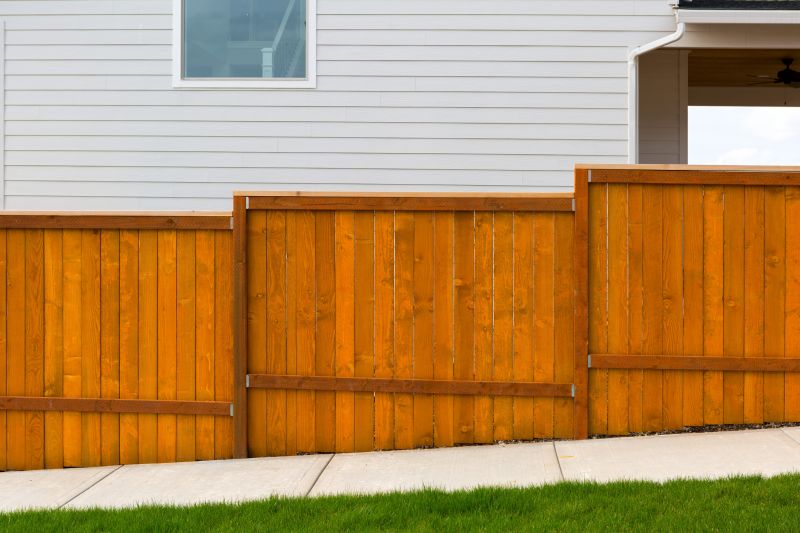
Cedar Fence Sealing in Seattle, WA
Cedar fence sealing services involve applying protective treatments to cedar fences to help preserve their appearance and durability. This process typically includes cleaning the fence surface and applying a sealant that penetrates the wood, providing resistance against moisture, UV rays, and other environmental elements. Projects can range from sealing individual sections of fencing to large-scale installations around residential properties, ensuring the wood remains resilient and visually appealing over time.
Homeowners considering cedar fence sealing often want to understand how the treatment can extend the lifespan of their fence and reduce maintenance needs. It’s important to know that sealing is most effective when performed on clean, dry wood and that regular reapplication may be necessary to maintain optimal protection. Property owners may also inquire about the types of sealants used, how the process affects the fence’s appearance, and the best timing for sealing to ensure long-lasting results.
Many property owners in Seattle, WA look into Cedar Fence Sealing for repairs, replacements, upgrades, and appearance-related improvements.
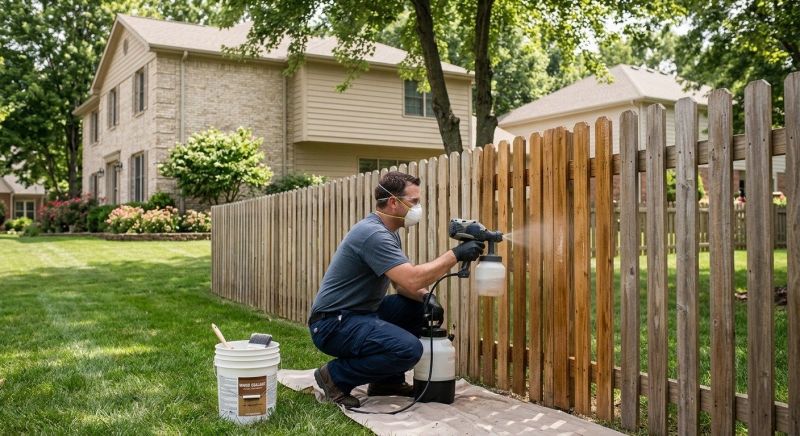
Protecting Cedar Fence Surfaces
Sealing enhances the durability of cedar fences against weather and wear.
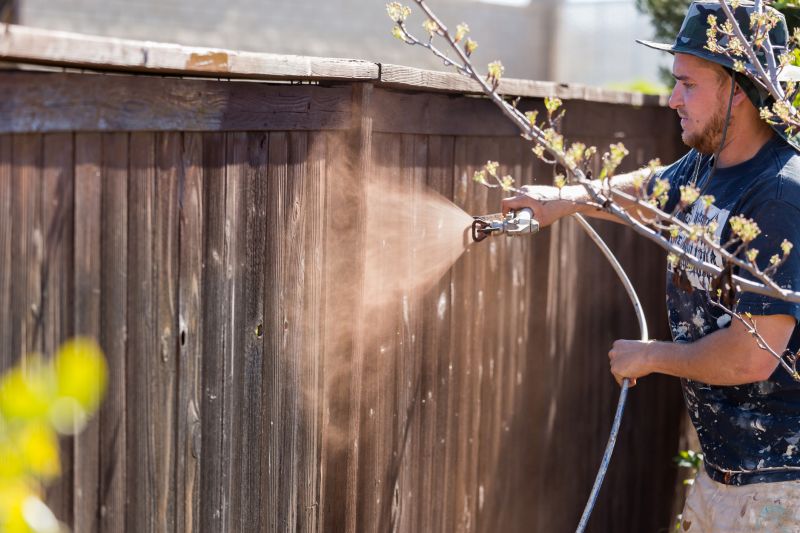
Enhancing Fence Appearance
A quality sealant helps maintain the natural beauty and color of cedar wood.
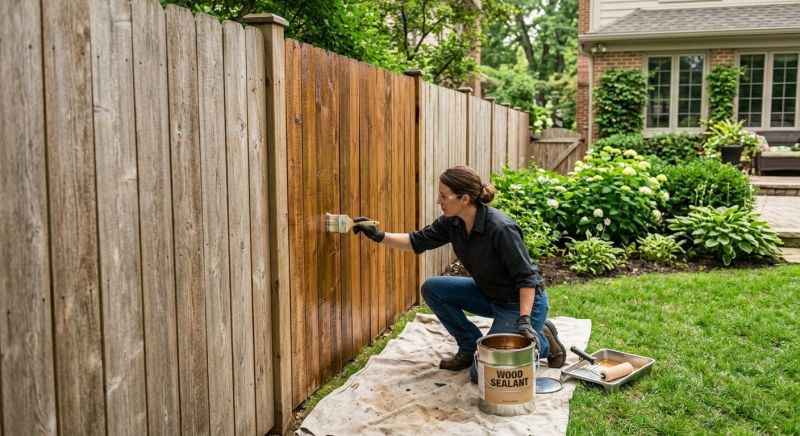
Preventing Damage And Decay
Proper sealing guards cedar fences from moisture, mold, and insect damage in seattle's climate.
Cedar Fence Sealing in Seattle, WA
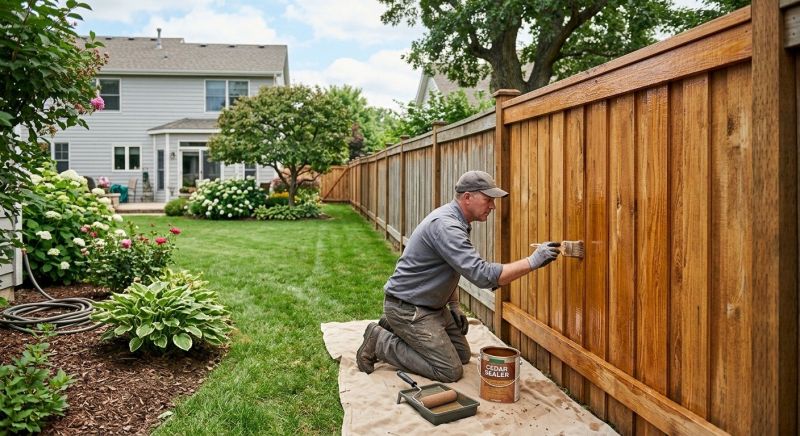
Cedar fence sealing services involve applying protective treatments to cedar fences to help preserve their appearance and durability. This process typically includes cleaning the fence surface and applying a sealant that penetrates the wood, providing resistance against moisture, UV rays, and other environmental elements. Projects can range from sealing individual sections of fencing to large-scale installations around residential properties, ensuring the wood remains resilient and visually appealing over time.
Homeowners considering cedar fence sealing often want to understand how the treatment can extend the lifespan of their fence and reduce maintenance needs. It’s important to know that sealing is most effective when performed on clean, dry wood and that regular reapplication may be necessary to maintain optimal protection. Property owners may also inquire about the types of sealants used, how the process affects the fence’s appearance, and the best timing for sealing to ensure long-lasting results.
Many property owners in Seattle, WA look into Cedar Fence Sealing for repairs, replacements, upgrades, and appearance-related improvements.
Common Cedar Fence Sealing Jobs
Cedar fence sealing services - helps protect wood fences from moisture and weather damage.
Fence maintenance - extends the lifespan of cedar fences through proper sealing.
Weatherproofing cedar fences - reduces the risk of warping, cracking, and rot.
Protective sealing - enhances the appearance of cedar fences with a durable finish.
Sealing for privacy fences - maintains the integrity and look of privacy fencing over time.
Fence preservation - involves applying sealants to prevent damage from rain and sun exposure.
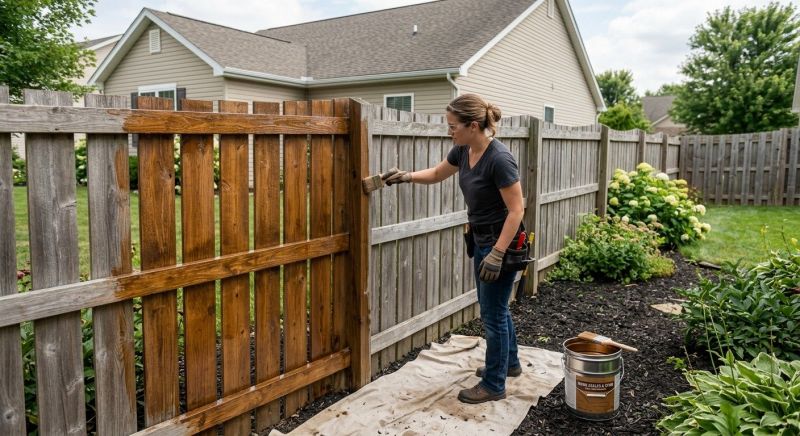
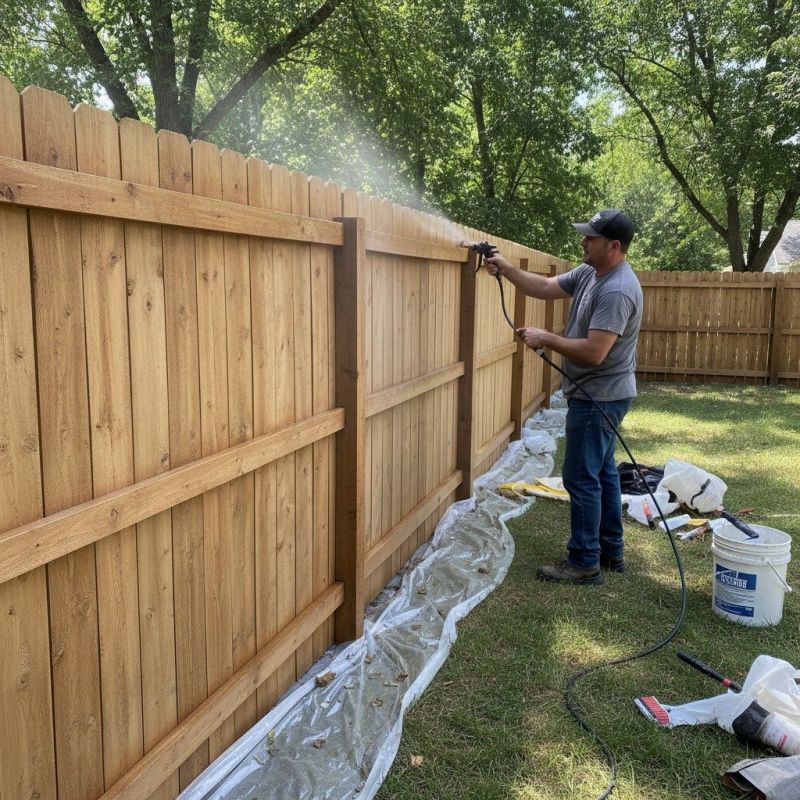
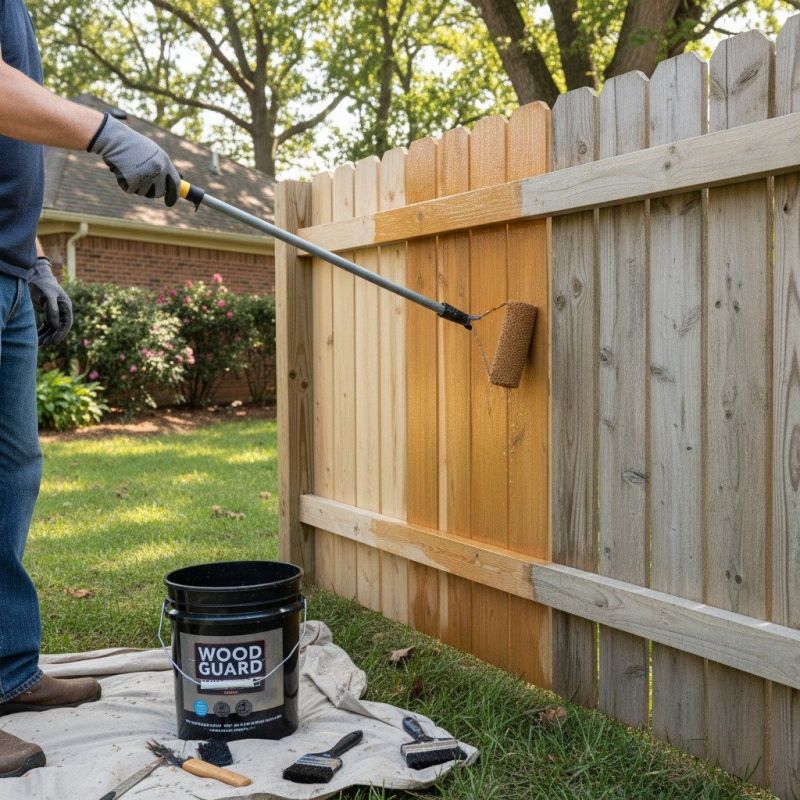
Cedar Fence Sealing Questions
What is cedar fence sealing? Cedar fence sealing involves applying a protective coating to enhance the wood's durability and appearance, helping to prevent damage from weather and pests.
Why should homeowners consider cedar fence sealing? Sealing helps extend the life of the fence, maintains its natural look, and reduces the need for frequent repairs or replacements.
How often should cedar fences be sealed? It is recommended to reseal cedar fences every 2 to 3 years to maintain protection and appearance.
What types of projects typically require cedar fence sealing? Sealing is common for new fences, fences that have weathered, or fences that need to restore their original look and protection.
Request Cedar Fence Sealing in Seattle, WA
Use the quote form on this page to share the basics of your project and request more information for the type of work you need.