Log Home Weatherproofing in Seattle, WA
Log home weatherproofing services involve protecting and sealing the structure to prevent damage caused by moisture, wind, and temperature fluctuations. This service typically covers projects such as applying protective stains or sealants, repairing or replacing chinking and caulking, and upgrading siding or roofing components to enhance resistance against the elements. Homeowners often seek weatherproofing to preserve the appearance of their log homes, improve energy efficiency, and reduce the risk of issues like rot, mold, or insect intrusion that can result from exposure to harsh weather conditions.
Before requesting weatherproofing services, property owners usually want to understand the current condition of their log home’s exterior, including the state of the wood, existing protective coatings, and any signs of damage or deterioration. It’s also helpful to consider the specific weather challenges in the local area, such as heavy rain or snow, to determine the most suitable protective measures. Clear communication about the scope of work, materials used, and expected outcomes can assist homeowners in making informed decisions to maintain the integrity and longevity of their log homes.
Many property owners in Seattle, WA look into Log Home Weatherproofing for repairs, replacements, upgrades, and appearance-related improvements.
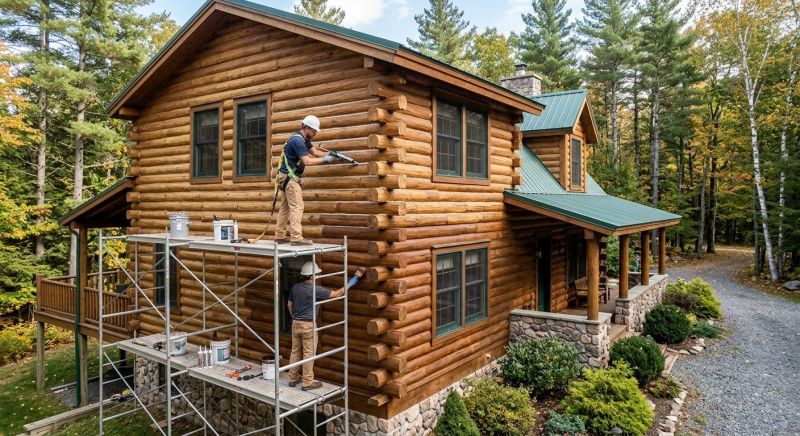
Protecting Log Homes From Weather Damage
Weatherproofing helps prevent moisture intrusion and wood decay in log homes.
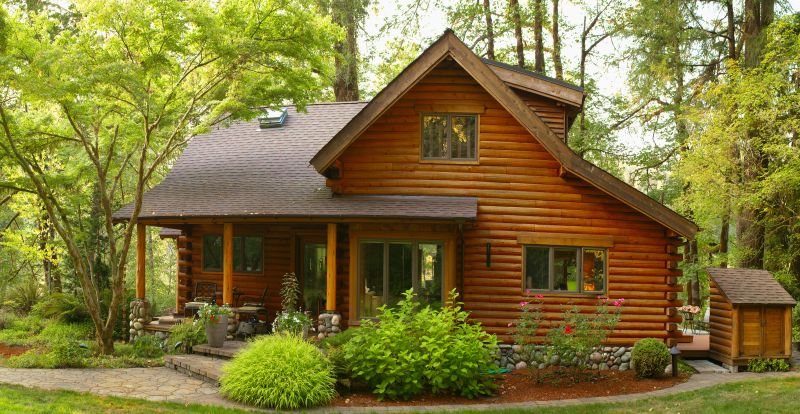
Enhancing Durability And Longevity
Proper sealing and treatment extend the lifespan of log structures in damp climates.
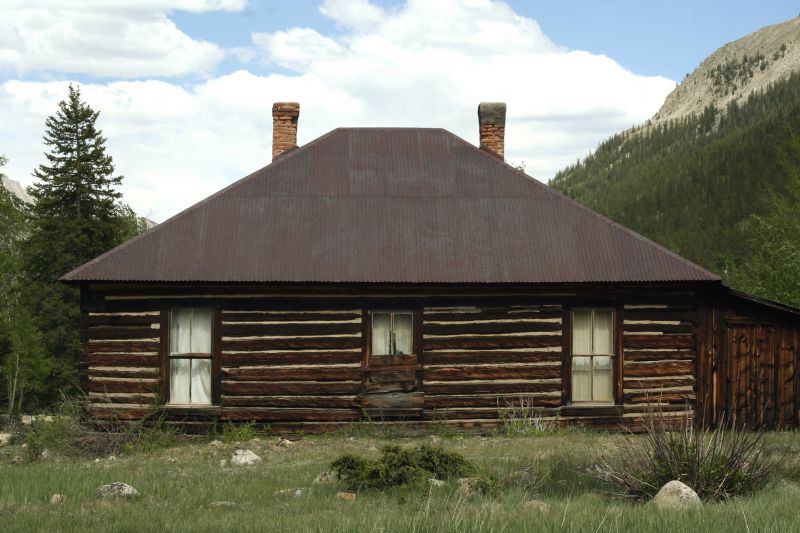
Maintaining Curb Appeal And Value
Weatherproofing preserves the appearance and structural integrity of log homes over time.
Log Home Weatherproofing in Seattle, WA

Log home weatherproofing services involve protecting and sealing the structure to prevent damage caused by moisture, wind, and temperature fluctuations. This service typically covers projects such as applying protective stains or sealants, repairing or replacing chinking and caulking, and upgrading siding or roofing components to enhance resistance against the elements. Homeowners often seek weatherproofing to preserve the appearance of their log homes, improve energy efficiency, and reduce the risk of issues like rot, mold, or insect intrusion that can result from exposure to harsh weather conditions.
Before requesting weatherproofing services, property owners usually want to understand the current condition of their log home’s exterior, including the state of the wood, existing protective coatings, and any signs of damage or deterioration. It’s also helpful to consider the specific weather challenges in the local area, such as heavy rain or snow, to determine the most suitable protective measures. Clear communication about the scope of work, materials used, and expected outcomes can assist homeowners in making informed decisions to maintain the integrity and longevity of their log homes.
Many property owners in Seattle, WA look into Log Home Weatherproofing for repairs, replacements, upgrades, and appearance-related improvements.
Common Log Home Weatherproofing Jobs
Log Home Weatherproofing - sealing and protecting logs to prevent moisture intrusion and decay.
Chinking and Caulking - filling gaps between logs to improve energy efficiency and prevent drafts.
Log Stain and Sealant Application - applying protective finishes to guard against water damage and UV exposure.
Exterior Log Maintenance - cleaning and treating logs to preserve their structural integrity and appearance.
Roof and Eaves Sealing - ensuring roof edges and eaves are properly sealed to prevent water leaks.
Foundation and Skirting Protection - waterproofing around the base of the home to prevent moisture infiltration.
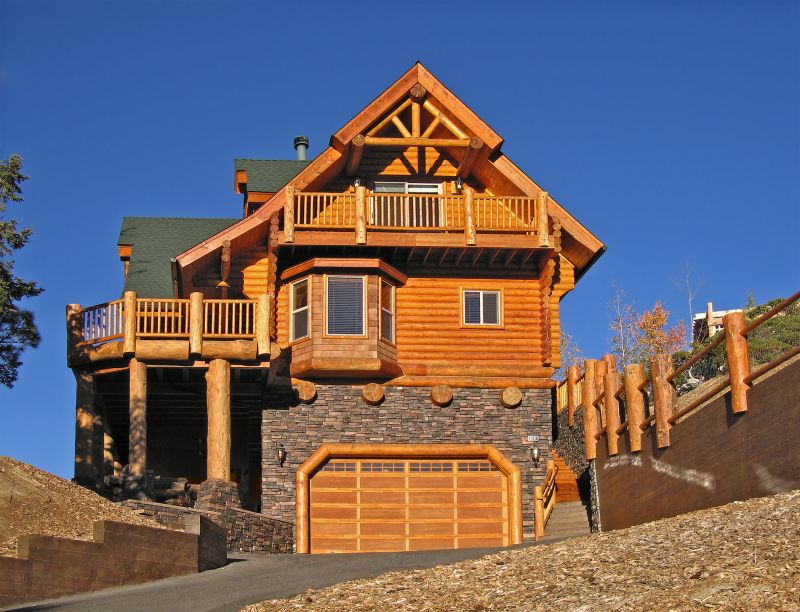
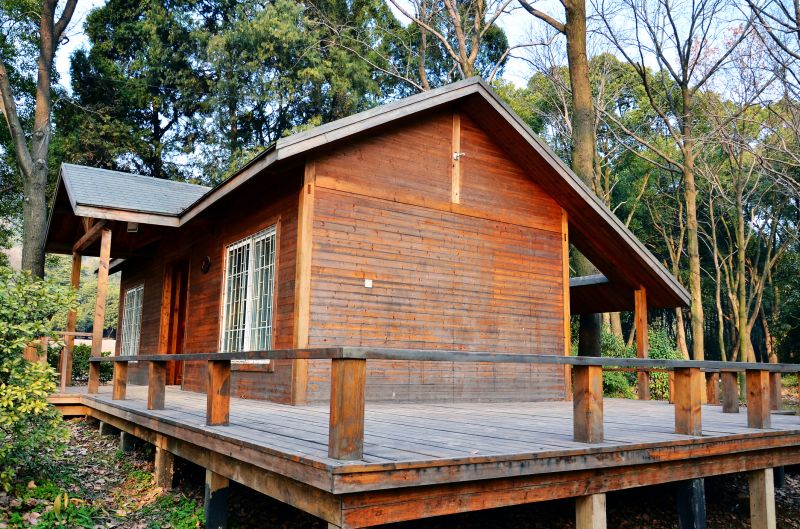
Log Home Weatherproofing Questions
Why is weatherproofing important for log homes? Weatherproofing helps protect log homes from moisture, mold, and decay, extending their lifespan and maintaining structural integrity.
What types of weatherproofing treatments are available? Treatments include sealants, stains, and finishes designed to repel water and prevent damage caused by weather exposure.
How often should a log home be weatherproofed? It is recommended to reapply weatherproofing treatments every few years to ensure continuous protection against the elements.
What signs indicate a log home needs weatherproofing? Signs include peeling or fading finish, increased moisture absorption, and visible signs of mold or rot on the logs.
Request Log Home Weatherproofing in Seattle, WA
Use the quote form on this page to share the basics of your project and request more information for the type of work you need.